Interior Design Trends and How to Adapt Them to Your Home
Trends can refresh a home and spark new ideas, but following them blindly leads to rooms that date quickly. Here is a practical framework for choosing which trends to embrace and how to adapt them to your own space.
Every year brings a new wave of interior design trends. A particular colour appears in every magazine, a sofa shape suddenly fills social media, a material that was forgotten for decades returns. Trends can be exciting. They introduce fresh ideas, challenge our assumptions and help us see our homes differently.
But trends also have a downside. A room decorated entirely around the look of one particular year can feel dated surprisingly quickly, and replacing expensive elements to keep up is neither affordable nor sustainable. The secret is not to ignore trends, but to adapt them: choosing which ones genuinely suit you and bringing them into your home in a way that feels personal and lasting.
This guide gives you a simple framework to evaluate any trend, an overview of design directions that have been shaping interiors in recent years, and practical ways to try new ideas with minimal risk.
Trends vs. fads vs. timeless design
Not all trends are equal. It helps to distinguish between three categories:
- Fads are short-lived and driven mainly by novelty. They appear suddenly, become everywhere and disappear just as quickly.
- Trends are broader movements that last several years and often reflect changes in how we live, such as more time spent working from home.
- Timeless design is built on principles that have endured for generations: good proportion, natural materials, comfort, craftsmanship and light.
The trends most worth embracing are those that align with timeless principles. They feel fresh today but are rooted in something deeper, which is why they tend to age well.
A framework for evaluating any trend
Before adopting a new idea, ask yourself these five questions. They will quickly reveal whether a trend deserves a place in your home.
1. Do I genuinely love it, or have I just seen it everywhere?
Repetition creates familiarity, which can feel like preference. Imagine the idea in your home in five years. If it still appeals, it may be a real preference rather than a passing attraction.
2. Does it improve how I live?
The best trends solve problems: better storage, more comfortable seating, improved lighting, healthier materials. A trend that only changes appearance is more likely to feel dated later.
3. Does it suit my home’s architecture and light?
A trend that looks wonderful in a sunlit loft may feel wrong in a traditional cottage or a north-facing flat. Consider your home’s character, proportions and orientation.
4. Does it work with what I already own?
A trend that requires replacing everything is rarely worth it. Look for ideas that complement your existing furniture, flooring and palette.
5. How easy is it to change?
The more expensive and permanent an element is, the more cautious you should be. Keep trends in the layers that are easy and affordable to update.
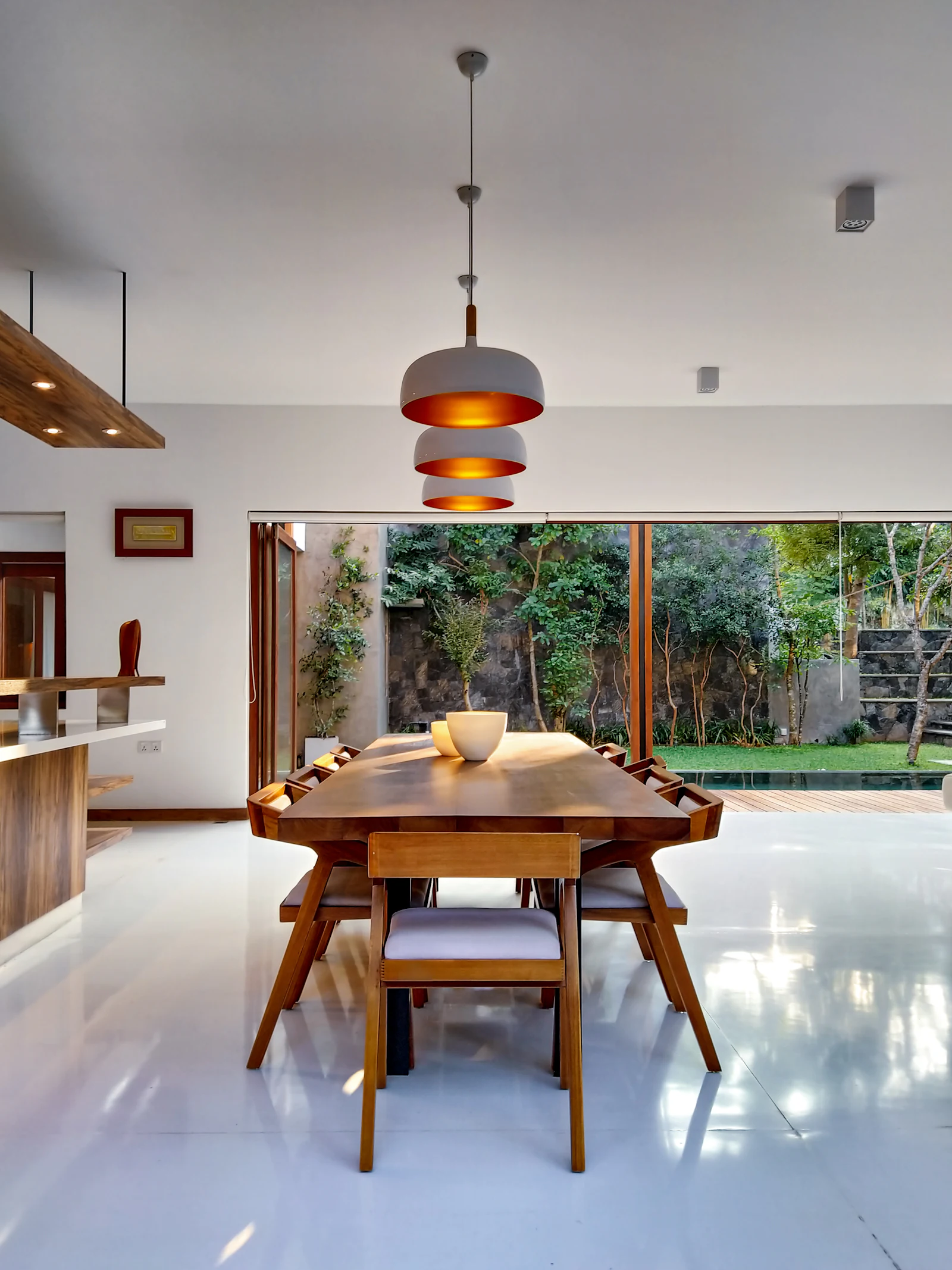
The layering strategy: where trends belong
A helpful way to think about your home is as a series of layers, from the most permanent to the most changeable. Trends belong mainly in the outer layers.
| Layer | Examples | Trend approach |
|---|---|---|
| Structure | Layout, windows, flooring, built-in joinery, kitchens, bathrooms | Keep classic and durable |
| Foundation furniture | Sofa, bed, dining table, large storage | Classic shapes, quality materials |
| Soft furnishings | Rugs, curtains, occasional chairs, lighting | Adopt trends selectively |
| Paint | Wall colours, painted furniture, doors | A flexible place to experiment |
| Accessories | Cushions, throws, vases, art, candles, books | Ideal for trying new trends |
This approach lets your home feel current without locking you into a look you might tire of. It also aligns with the ideas in our guide to creating a timeless living room.
Design directions shaping interiors today
While specific colours and products change quickly, several broader directions have been influencing interior design in recent years. Many of them are rooted in lasting values, which makes them good candidates for adapting.
Warm, earthy neutrals
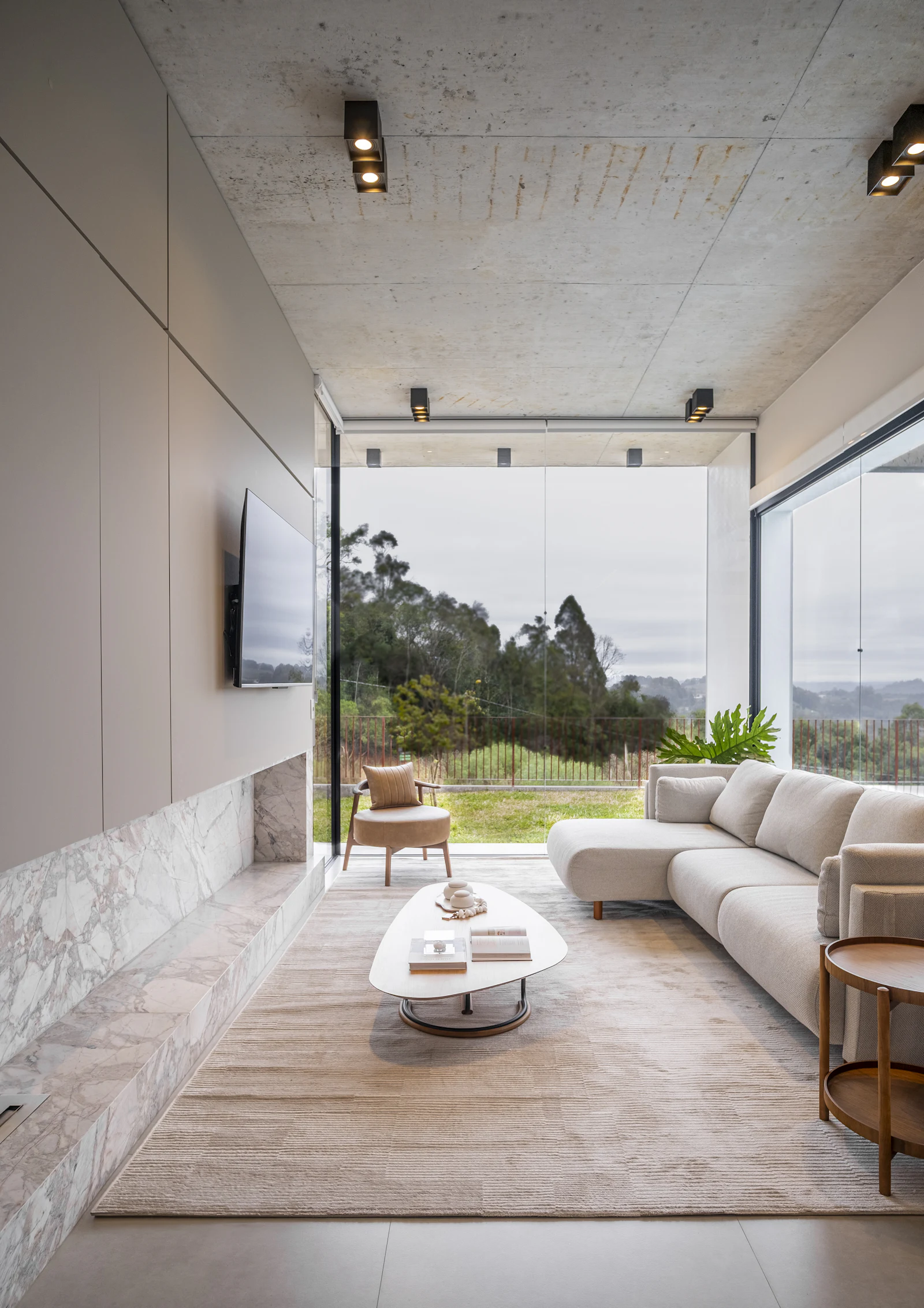
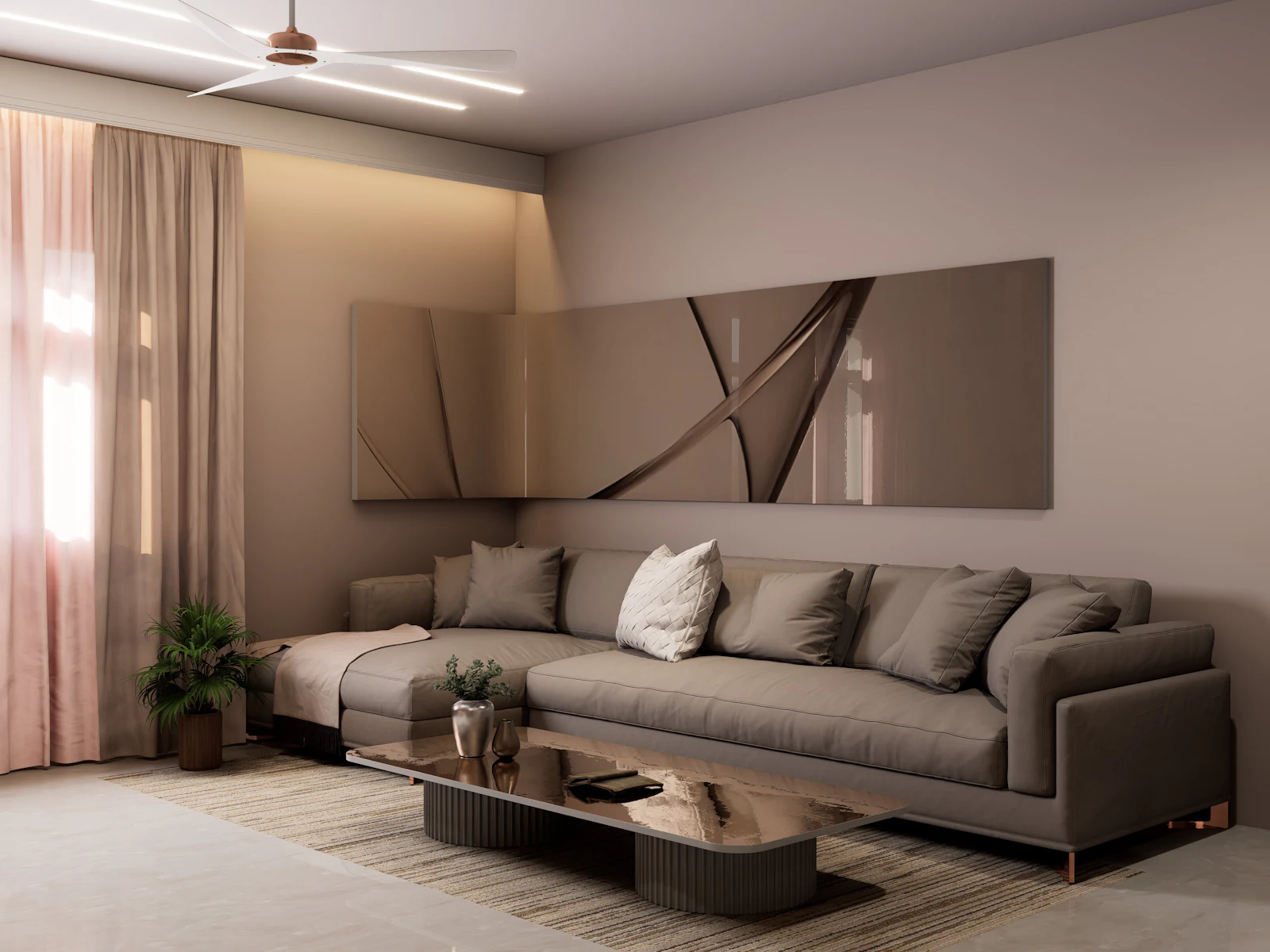
Cool greys have largely given way to warmer neutrals: ivory, sand, clay, mushroom and taupe. These colours feel calming and pair naturally with wood and linen. How to adapt it: use warm neutrals as a base on walls and large textiles; they are versatile enough to outlast the trend.
Nature-inspired colour
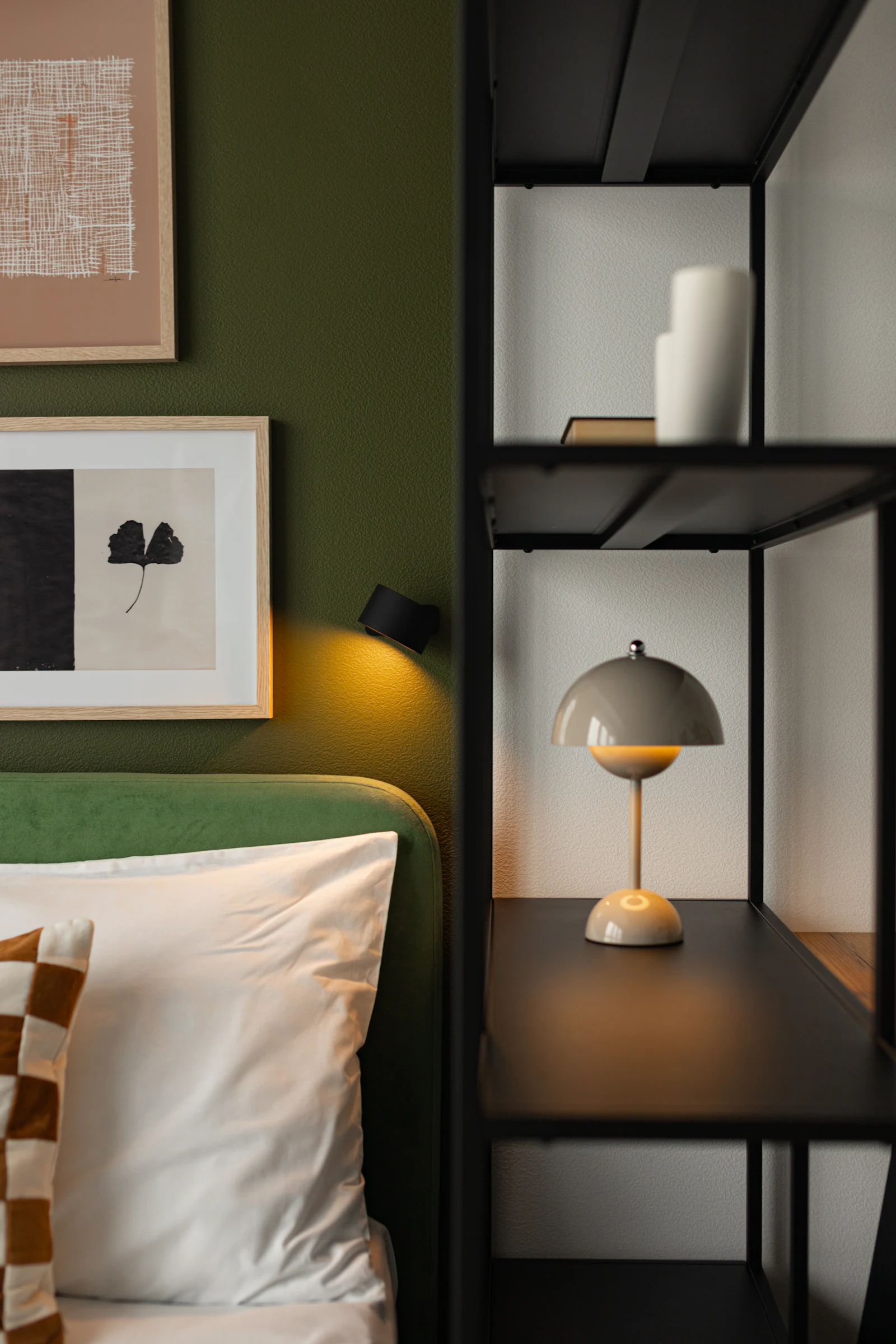
Greens in every shade, from sage to deep olive, along with terracotta, ochre and warm brown, reflect a desire to connect with nature. How to adapt it: try an accent wall, a painted cabinet or an upholstered chair before committing to large areas. Our guide to choosing a colour palette explains how to test colours safely.
Natural and tactile materials
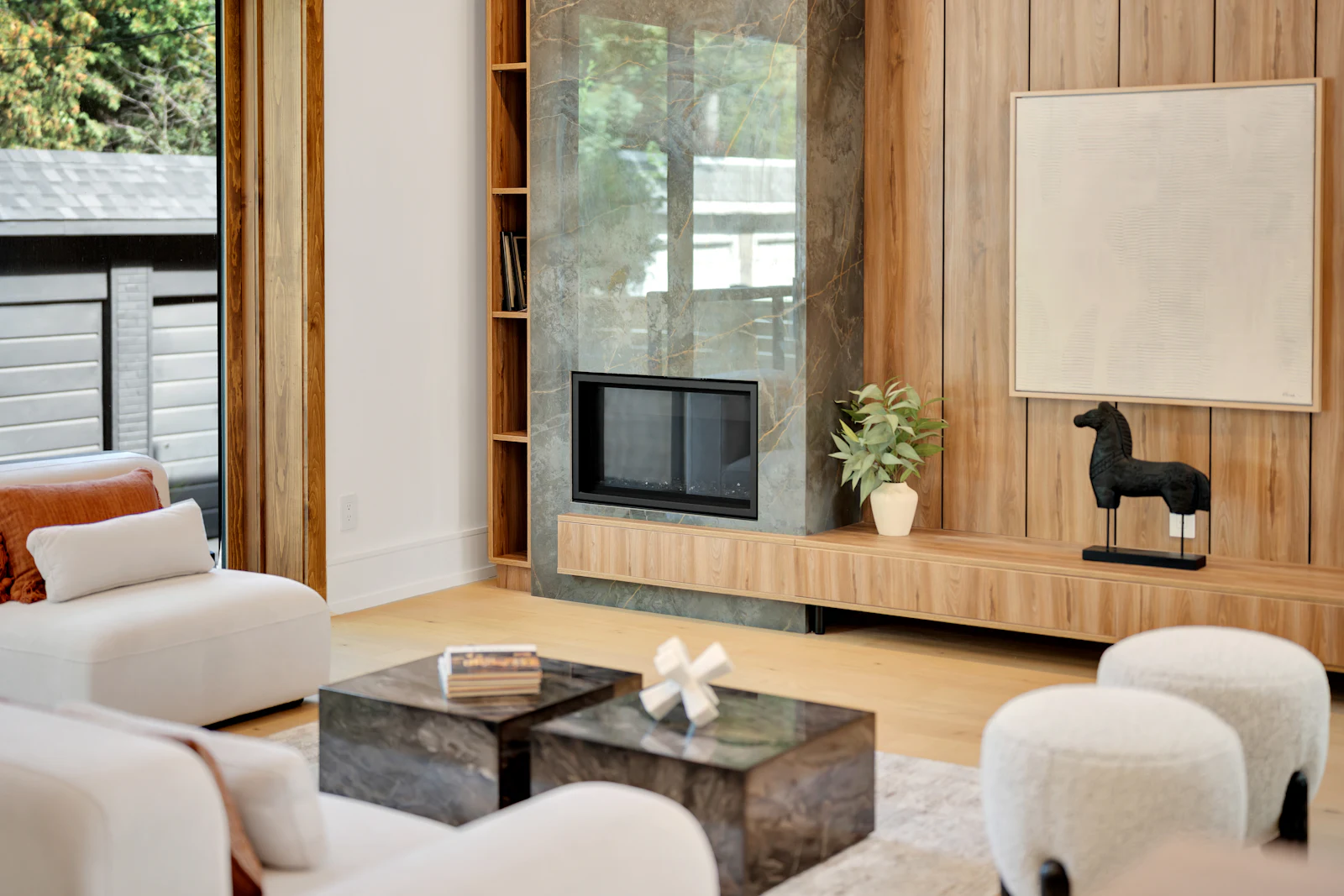
Wood with visible grain, limewash and plaster walls, stone, rattan, linen and bouclé have become central to many interiors. How to adapt it: add texture through textiles, baskets, ceramics and a textured paint finish on one wall.
Curves and organic shapes
Rounded sofas, arched mirrors, oval tables and soft edges bring a sense of comfort. How to adapt it: introduce curves through smaller pieces, such as a round mirror, an oval coffee table or a curved lamp, rather than replacing every piece of furniture.
Warm minimalism
A calmer, more considered approach to decorating continues to grow, balancing simplicity with warmth and personality. How to adapt it: edit what you own, add texture and choose fewer, better pieces. Read more in our article on minimalist home decor.
Vintage, craft and the handmade
Secondhand furniture, artisan ceramics and handcrafted textiles add individuality and support more sustainable habits. How to adapt it: mix one or two vintage or handmade pieces into each room for character.
Flexible, multi-purpose spaces
Homes increasingly need to support work, rest, exercise and socialising. How to adapt it: use zoning, adaptable furniture and good storage. Our guide to small space design includes many of these solutions.
Low-risk ways to try a trend
If you want to experiment, start small. These approaches let you enjoy something new without major cost or commitment.
- Textiles: cushion covers, throws and curtains in a trending colour or texture.
- Accessories: vases, candles, trays and bowls in new shapes or finishes.
- Art and prints: swap artwork to shift the mood of a room.
- Lighting: a new lamp or shade can introduce a trend and improve lighting at the same time.
- Paint: a single wall, a door, a ceiling or a piece of furniture.
- Hardware: new handles and knobs update kitchens and cabinets affordably.
Designer tip
Before buying into a trend, live with it virtually. Save images for a few weeks. If the idea still excites you after that, it is likely a genuine preference rather than a momentary impulse.
Adapting trends room by room
Living room
Keep the sofa and rug classic, then introduce trends through cushions, a statement lamp, an occasional chair or a new artwork. A textured paint finish on a feature wall is a relatively simple way to add depth.
Kitchen
Choose durable, classic cabinetry and worktops. Bring in trends with cabinet colour (which can be repainted), handles, lighting, open shelving styling and tableware.
Bedroom
Bedding is the easiest place to experiment. Change colours and textures seasonally. A painted or upholstered headboard can also introduce a trend with moderate commitment.
Bathroom
Keep tiles and sanitaryware timeless. Express trends through towels, a mirror, lighting, accessories and paint.
Following trends more sustainably
One of the hidden costs of trends is waste. Replacing furniture and decor frequently to keep up with changing looks consumes resources and money. Fortunately, adapting trends thoughtfully is also the more sustainable approach.
Update rather than replace
Reupholstering a sofa, painting a sideboard, changing lampshades or replacing cabinet handles can give existing pieces a new life that reflects current tastes without discarding them.
Shop secondhand first
Many trends are revivals of earlier styles. Vintage and secondhand markets are often the best places to find authentic versions of pieces that are fashionable again, usually at a better price and with more character than new reproductions.
Choose durable, repairable pieces
When you do buy new, choose well-made items in natural materials that can be repaired, refinished or recovered. They are more likely to survive the next change in taste.
Rotate instead of buying more
Keep a small collection of cushion covers, throws and accessories and rotate them seasonally. This satisfies the desire for change while keeping your home uncluttered and reducing new purchases.
Making a trend your own
The most successful interiors do not copy trends; they interpret them. Take the essence of an idea and translate it into your own style, colours and materials. If a deep green is fashionable, choose the version that suits your light and your palette. If curved furniture is popular, find one piece that genuinely fits your space.
Personal objects, inherited furniture and pieces collected over time are what prevent a home from looking like a catalogue. Combining these with a few carefully chosen trends creates a space that feels both current and deeply personal.
Conclusion
Trends are a source of inspiration, not a set of instructions. Use them to refresh your home and explore new ideas, but keep your foundation classic and your choices personal. Evaluate each trend with honest questions, place it in the easy-to-change layers of your home and adapt it to your architecture, light and lifestyle.
Before buying into a trend, test it in a small, reversible way: a cushion, a print or a sample pot, and live with it for a few weeks. If you still like it, scale up. New to design? Start with our beginner’s guide to modern interior design.
Frequently asked questions
How do I know if an interior design trend will last?
Trends that are rooted in lasting values, such as comfort, sustainability, natural materials, craftsmanship and wellbeing, tend to endure. Trends driven mainly by a single colour, pattern or novelty shape usually fade faster. Ask whether the idea improves how you live, not just how a room looks.
What is the cheapest way to try a new trend?
Start with accessories: cushions, throws, vases, candles, prints and small lamps. Paint is also relatively affordable and easy to change. Avoid committing to a trend through expensive or permanent elements, such as flooring, kitchens or bathrooms, until you are sure you love it.
Can I combine different design trends in one room?
Yes, as long as they share a common thread, such as a colour palette, a material or a mood. Mixing too many unrelated trends can make a room feel chaotic. Choose one or two ideas and anchor them with a cohesive base.
Should I follow trends when renovating a kitchen or bathroom?
Be cautious. Kitchens and bathrooms are expensive to change, so choose classic layouts, durable materials and neutral surfaces for the permanent elements. Express trends through hardware, lighting, paint colour, textiles and accessories, which are easier to update.
How often should I update my home decor?
There is no fixed schedule. Many people refresh accessories seasonally and update larger pieces only when they wear out or no longer suit their needs. A home designed around a timeless foundation needs fewer and smaller updates to feel current.
Measurements and rules of thumb in this guide are starting points; always check your own room, local building rules and manufacturer instructions. Images are illustrative, from Unsplash. Read how we research and update our guides in our Editorial Policy, and tell us if you spot an error.